




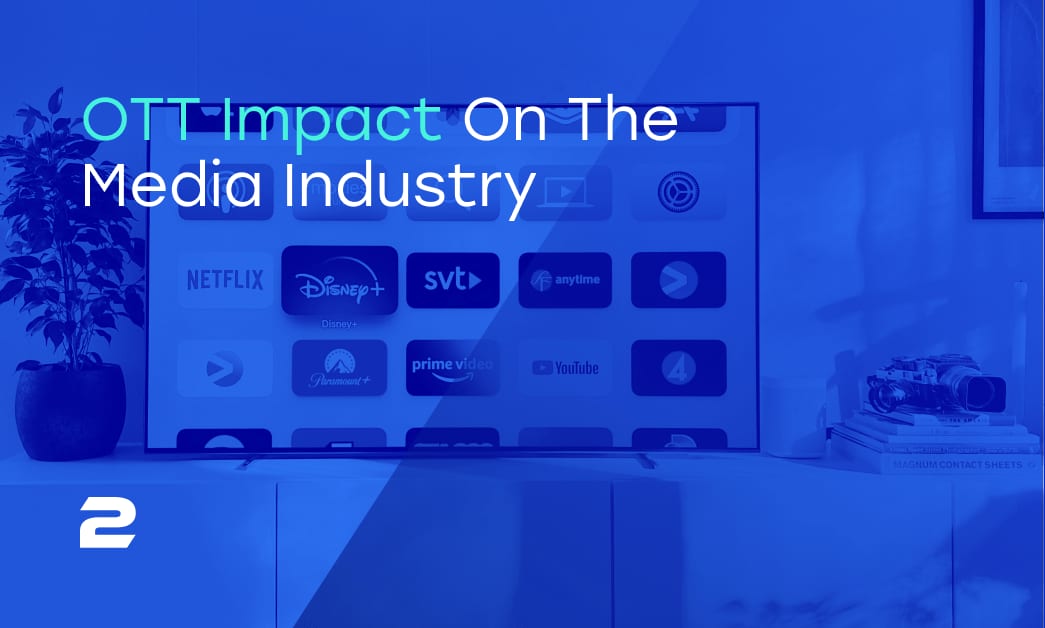
The rise of OTT technology has had a profound impact on various industries, but none more so than the entertainment industry. By enabling the direct delivery of content to viewers over the internet, OTT platforms have transformed the way entertainment is consumed. They offer a vast and diverse selection of content, ease of access, and customizable options that have significantly enhanced user experience and satisfaction. This has led to a surge in demand for quality and diverse content.
In this article, we explore further into the transformative impact of OTT platforms on the media landscape. We’ll examine the innovative ways in which these platforms are redefining content creation, distribution, and consumption, and how they’re reshaping the competitive dynamics of the industry.
Content Creation
OTT platforms create a wide range of shows and movies using different methods. To keep viewers interested, they pay attention to what viewers like, use new ideas, and reach people from all over the world. These approaches help them produce captivating and diverse content. According to a recent report from our partner NPAW, user engagement in the video streaming industry has increased by up to 12% after a two-year drop. This rise in engagement has been attributed to improvements in streaming quality, which have been closely linked to viewer engagement levels. Let’s explore in more detail some of the factors that have enabled OTT platforms to create high-quality and diverse content:
Data-driven approach
OTT platforms have access to vast and detailed data about their users’ preferences, behaviors, and feedback. This enables them to create content that is tailored to the specific needs and tastes of their viewers, as well as to optimize their marketing and pricing decisions. By analyzing user data, OTT platforms can identify patterns and trends in viewership behavior which allows them to create content that resonates with their audience.
Creative freedom
Traditional media outlets limit the creative potential of content producers, but OTT platforms do not. Linear TV and pay TV have to follow rules, please advertisers, and chase ratings, but OTT platforms can do what they want. They can try new things, explore different topics, and appeal to specific audiences. This way, OTT platforms can create content that is original and diverse, and draw in viewers who are looking for something different.
Global reach
Unlike traditional media outlets, which are constrained by physical and language boundaries, OTT platforms can connect with viewers from all over the world. This allows them to make and share content that suits different cultures and backgrounds, as well as to use the skills and assets from various places. By making content that matters to the world, OTT platforms can expand their audience and explore new opportunities.
Content Distribution
OTT platforms have also disrupted the content distribution landscape, challenging the dominance of traditional media outlets and intermediaries. OTT platforms have leveraged the internet infrastructure and technology to deliver content directly to the viewers, eliminating the need for middlemen and reducing the costs and barriers to entry. Some of the benefits of OTT distribution are:
On-demand and multi-device viewing
One of the primary benefits of OTT distribution is the convenience and flexibility of on-demand and multi-device viewing. Viewers can access content anytime, anywhere, and on any device, leading to enhanced user experience, satisfaction, engagement, and retention rates. This has resulted in a shift towards personalized and tailored content, as viewers can watch what they want, when they want, and where they want.
Subscription and advertising models
OTT platforms have further democratized the media industry by offering different monetization models to suit the preferences and budgets of different segments of viewers. Subscription models provide a steady and recurring revenue stream, as well as a loyal and committed user base. Advertising models offer a wider reach and exposure, as well as a potential source of additional revenue from targeted and personalized ads. Some OTT platforms offer a combination of both models, providing viewers with greater choice and flexibility.
Interactivity and social features
Interactivity and social features are another benefit of OTT platforms. They allow viewers to chat, comment, rate, review, recommend, and share content. These features increase user engagement and give useful feedback and insights to content creators and distributors. They also create a feeling of community and word-of-mouth among viewers, which improves user loyalty and retention.
Content Consumption
The landscape of entertainment has been reshaped by the emergence of streaming services, offering a new way for audiences to engage with media. OTT platforms have enabled viewers to access a vast and varied library of content and customize and personalize their content consumption according to their preferences and moods. Some of the trends and implications of OTT consumption are:
-
Binge-watching and cord-cutting: OTT platforms have popularized the phenomenon of binge-watching, which is the practice of watching multiple episodes or seasons of a show in a single sitting. Binge-watching has increased the demand and appreciation for long-form and serialized content, as well as the loyalty and attachment to the characters and stories. OTT platforms have also contributed to the trend of cord-cutting, which is canceling or reducing subscription to traditional media services, such as cable or satellite TV. Cord-cutting has reduced the revenue and market share of traditional media outlets, as well as the exposure and reach of their content.
-
Fragmentation and diversification: Viewers have more options and choices than ever before, thanks to OTT platforms. This has resulted in the fragmentation and diversification of the content market. Fragmentation has made content providers compete more and fragment more, as well as made it harder and more expensive to get and keep viewers. Diversification has boosted the demand and supply of diverse and niche content, as well as the representation and inclusion of different groups and perspectives.
Competition and Collaboration
OTT platforms have also reshaped the competitive and collaborative dynamics of the media industry, creating new threats and opportunities for existing and emerging players. OTT platforms have become formidable competitors to traditional media outlets, as they have gained a significant share of the viewership, revenue, and influence in the content market. OTT platforms have also become attractive partners and collaborators for content creators and distributors, as they offer access to a large and global audience, as well as a platform for innovation and experimentation. Some of the examples and outcomes of the competition and collaboration between OTT platforms and other media players are:
-
Consolidation and differentiation: OTT platforms have triggered a wave of consolidation and differentiation in the media industry, as players seek to gain scale and scope advantages, as well as to distinguish themselves from the crowd. Consolidation involves mergers and acquisitions, as well as alliances and partnerships, among the content providers and distributors, to increase their resources, capabilities, and offerings. Differentiation involves developing and promoting unique and distinctive content, features, and brands, to attract and retain viewers.
-
Regulation and innovation: The media industry needs regulation and innovation, as OTT platforms create new challenges and opportunities for stakeholders and society. Regulation means setting and applying rules and standards for content production and distribution, as well as protecting and respecting the users and the data, to guarantee the quality, safety, and fairness of the content market. Innovation means creating and using new technologies, formats, and models, to improve the efficiency, effectiveness, and value of the content creation and delivery.
“But the alternative is finding contract breaks in production, during a live event, at the worst possible moment.”
Conclusion
OTT platforms have proven profound and lasting impact on the media industry, transforming the way content is created, distributed, consumed, and competed. OTT platforms have offered a plethora of benefits and opportunities for the viewers, the content creators, and the content distributors, as well as posing some challenges and threats for traditional media outlets and intermediaries. OTT platforms have also stimulated the evolution and innovation of the media industry, as well as the regulation and governance of the content market. OTT platforms are here to stay and grow, and they will continue to shape the future of the entertainment landscape.
At 2Coders, we understand the evolving needs of the media landscape. Our suite of services, including our multiscreen front-end app, Velvet, and a range of other solutions, is tailored to meet the diverse demands of today’s digital ecosystem. Whether you’re in the media, sports, or entertainment sector, we provide comprehensive tools and strategies to help you thrive in this dynamic environment.
Ready to take your content strategy to the next level? Contact us for a free consultation and discover how our solutions can boost your business in the streaming world.