
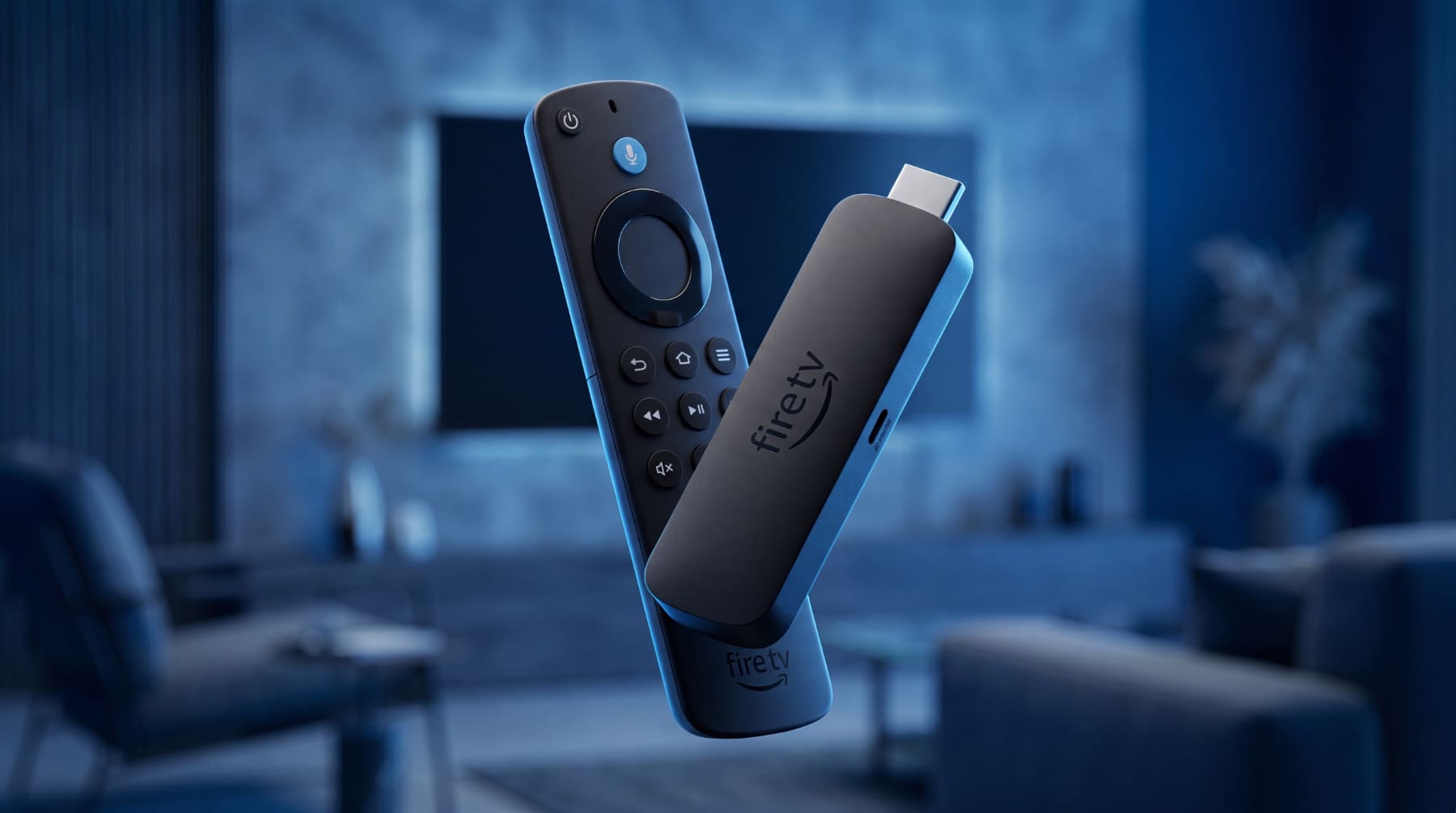
Vega is the future of Fire TV.
Linux-based, built from scratch. React Native 0.72 is compiled into the OS; playback runs on W3C Media APIs (MSE/EME), not the Android stack. Every new Fire TV Stick ships on Vega.
Amazon is replacing Fire OS with a Linux-based platform that doesn't support existing Fire TV apps. We handle the migration end to end — live in 10 to 14 weeks.
Most 10–14 week migrations need to start now to clear submission before the bridge closes.
Linux-based, built from scratch. React Native 0.72 is compiled into the OS; playback runs on W3C Media APIs (MSE/EME), not the Android stack. Every new Fire TV Stick ships on Vega.
No porting shortcut, no compatibility layer, no sideloading. Fire TV apps must be rebuilt natively for Vega.
Amazon's cloud-streaming program for legacy Android apps ends around July 2026. After that, the streaming bills land in your inbox.
85–90% of your business logic transfers.
Scope: a UI + media-layer project. Your product logic stays where it is — we rebuild the parts Vega actually changes.
A full re-engineering — onto one codebase for every platform.
Scope: larger upfront — the front-end is rebuilt on React Native for Vega. But you exit with one codebase across Vega, Android TV, and future RN targets.
Entitlements, DRM and payments carry across; the integration layer gets re-wired. Either way, the traps are known. We've mapped this work before.
Four phases. 10 to 14 weeks end to end.
Codebase audit, manifest draft, scoped plan. No commitment — you keep the plan.
RNV monorepo (@amazon-devices), Vega App Manifest, CI/CD on Vega CLI, Vega Virtual Device.
W3C Media APIs + Shaka Player (HLS/DASH), Widevine via EME, TVFocusGuideView D-pad navigation. Your Fire OS app keeps shipping in parallel.
KPI Visualizer profiling (startup, memory, FPS), real-hardware testing, first-pass Appstore submission, post-launch monitoring.
Manifest traps, the focus paradigm, KPI thresholds — we've already hit the walls so your project doesn't.
80%+ of our work is video, across 11 TV and streaming platforms.
On every engagement — not just the kickoff call.
Most of our streaming clients are under NDA. References arranged on request.
No. Vega OS is Linux-based and has no Android compatibility layer, so existing Fire OS APKs cannot run, be ported directly, or be sideloaded. Apps must be rebuilt natively for Vega. Amazon's temporary cloud-streaming bridge keeps some legacy apps usable, but it's a stopgap — not a strategy.
Fire OS is Android-based; Vega OS is a new Linux-based platform built from scratch. On Vega, apps are written in React Native (0.72 is compiled into the OS) and playback runs on W3C Media APIs (MSE/EME) rather than the Android media stack. Every new Fire TV Stick ships on Vega.
10 to 14 weeks end to end: 1–2 weeks assessment, 1 week architecture and setup, 6–10 weeks build and migration, 2 weeks QA, KPI profiling and Appstore submission.
Yes. The Vega build runs as a parallel track — your Fire OS app keeps shipping releases throughout. Nothing about your current platform breaks while we work.
Typically 85–90% of business logic: state management, API clients, analytics and most component logic survive. What gets rebuilt is the Vega App Manifest, the focus/navigation model, and the media stack.
Yes. Playback runs on W3C Media APIs — we implement HLS/DASH via Shaka Player and Widevine through EME (Encrypted Media Extensions). Your entitlements and DRM licensing carry across; the integration layer gets re-wired for the new stack.
The front-end is re-engineered on React Native for Vega. Your product logic and backend integration survive; the UI is rebuilt. The upside: you exit with a single codebase that also targets Android TV and future React Native platforms.
Amazon's cloud-streaming bridge for legacy apps ends around July 2026. After that, legacy apps either disappear from new Vega devices or you pay per-stream cloud costs. With migrations running 10–14 weeks plus submission review, the realistic start window is now.
It depends on your starting point — React Native source is a UI + media-layer project; native Android source is a larger rebuild. The 1–2 week assessment produces a scoped, fixed plan with pricing. No commitment beyond the assessment, and you keep the plan.
One week. A scoped audit of your current Fire TV app and a clear plan for getting onto Vega OS — without breaking your existing platform. No commitment beyond that.
We respond within one business day with a no-obligation assessment plan.