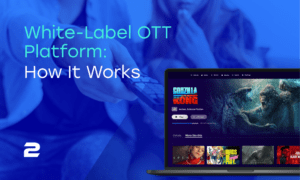
White-Label OTT Platform: How It Works and When to Build One
A white-label OTT platform gets you to market in weeks, not months. Here’s how it works, what to look for, and when it’s the right call.

Sofya Nikifaravets, Marketing Specialist
20/10/2025 • 2 min read
We are announcing the release of Mux Video Uploader by 2Coders v1.1.3! This update includes new features, performance improvements, and major security enhancements to provide you with a more powerful and secure video experience in WordPress.
Here is what is new:
This release focuses on providing more control over your video assets and improving the overall user experience:
These updates directly address a common challenge: managing a growing library of video assets.
Previously, finding a specific video might have meant scrolling through thumbnails or trying to remember a Mux Asset ID. With the introduction of custom titles and a searchable asset list, you can now organize your content more effectively. This allows you to locate the exact video you need in seconds, simply by searching for its title, significantly speeding up your content management workflow.
This version delivers major security hardening based on our latest security audit. We are committed to keeping your site and your data safe. Here are some of the key security improvements:
We’ve also made several other improvements under the hood, including refactoring internal functions for better code maintainability and updating the plugin’s README documentation
You can update to v1.1.3 from your WordPress dashboard. For more information about the Mux Video Uploader by 2Coders, please visit our website: https://muxvideo.2coders.com/
We’re excited for you to try out the new features and improvements in this release. As always, we welcome your feedback and suggestions. Happy uploading!
The testing pyramid was designed for applications where the UI is determined by code. For streaming apps powered by a headless CMS, it’s the wrong model. Content changes constantly (without a code release) and a test suite built on static content assumptions will break or give false confidence the moment editorial publishes something unexpected. The Testing Diamond inverts the priority, placing schema and contract validation at the centre rather than unit tests at the base.

A white-label OTT platform gets you to market in weeks, not months. Here’s how it works, what to look for, and when it’s the right call.


Next.js vs React for streaming platforms: which wins on SEO, load speed, and scale? Here’s the framework we use after 180+ OTT builds.

The hero banner had no image. 200K fans saw an error screen. This is the streaming testing model that prevents it.
We’ve built 180+ streaming apps across mobile and Connected TV, including a gaming streaming platform that needed to survive extreme live event traffic. QA architecture for CMS-driven platforms is something we think about a lot right now. If you’re working through the same questions, we’re happy to compare notes.