
White-Label OTT Platform: How It Works and When to Build One
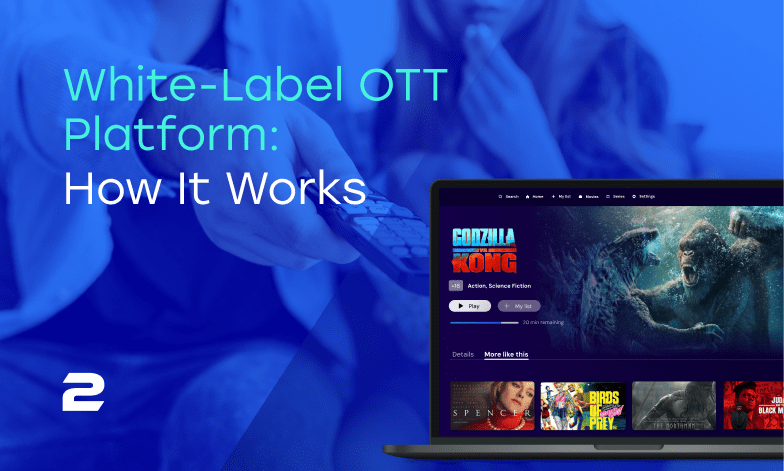
A white-label OTT platform gets you to market in weeks, not months. Here’s how it works, what to look for, and when it’s the right call.
Next.js vs Pure React for Web OTT Platforms
Next.js vs React for streaming platforms: which wins on SEO, load speed, and scale? Here’s the framework we use after 180+ OTT builds.
Your Streaming Testing Strategy Is Missing the Most Expensive Bugs
The hero banner had no image. 200K fans saw an error screen. This is the streaming testing model that prevents it.
OTT Trends 2026: FAST, Ad Tiers & Live Sports
OTT Trends 2026: FAST, Ad Tiers & Live Sports OTT in 2026 looks less like a growth story and more like a product and operations story. Pricing is under pressure, ad tiers are mainstream, FAST keeps expanding, and churn has become normal user behavior. At the same time, live sports and connected TV keep raising the bar for reliability and usability. The challenges themselves are familiar. What’s changed is how exposed the underlying systems have become. Small execution gaps now surface quickly, especially under scale. Below are the OTT streaming trends 2026, grounded in recent data and focused on the build and delivery decisions that tend to matter long after strategy decks are forgotten. 1) Ad-supported streaming & FAST channels dominate 2026 Ad-supported models have moved from a secondary option to a central pillar of the UK streaming market. By Q3 2025, ad-supported streaming services in the UK reached approximately 23 million subscriptions, according to Kantar, representing an increase of around six million year-on-year. This growth spans ad-supported subscription tiers and free ad-funded platforms, reflecting sustained pressure on household media spending rather than changes in content supply. This shift has pushed platforms toward hybrid monetization models that combine paid tiers, advertising, and free access within the same product ecosystem. As prices for premium plans have risen, ad-supported tiers increasingly serve as default entry points, particularly for rotational or secondary subscriptions. Paid, ad-free tiers remain relevant, but they no longer define the baseline experience. FAST has expanded alongside ad tiers, with FAST channels growth becoming one of the clearest signals of this shift. Nielsen/Gracenote reported nearly 1,850 active FAST channels globally in Q3 2025, representing a 76% increase since 2023. At this scale, FAST changes discovery behavior, especially on smart TV home screens where channel-based viewing now sits alongside on-demand apps. Usage data reinforces this shift. In the US, Comscore reported that 45% of Netflix household viewing hours in August 2025 occurred on the Netflix ad tier, up from 34% the year before. While regional splits differ, the direction is consistent: ad-supported streaming and FAST are no longer secondary products. From a product perspective, this hybrid monetization environment expands the surface area of OTT advertising, making ad delivery, pacing, and playback stability visible parts of the core viewing experience. 2) OTT bundling shifts to product integration By 2026, OTT bundling is less about discounts and more about distribution and integration. Industry data from 2025 shows that streaming bundles have become common practice rather than an edge strategy. Research from Fabric Data indicates that around 25% of streaming platforms globally are engaged in active bundling, with over 75% of those deals tied to telecom operators. Aggregation increasingly happens at the entry point, where multiple services are surfaced through a single interface via telcos, pay-TV platforms, or device operating systems. Consumer behavior supports this approach. A 2025 Hub Entertainment Research study found that 42% of viewers say they are more likely to keep streaming services when they are part of a bundle. Bundles do not eliminate churn, but they change how and when users cancel by raising friction at the account and interface level. This shift moves the problem from pricing to execution. Bundled environments expose identity, entitlement, and discovery logic more frequently, especially across devices. When access rights, profiles, or search results behave inconsistently, users perceive it as a product failure, regardless of how many partners sit behind the scenes. As aggregation expands, the quality of integration matters more than the size of the bundle. Seamless authentication, stable entitlements, and unified discovery increasingly determine whether bundled OTT services feel reliable or disposable. 3) Streaming churn becomes normal user behavior Subscription churn is no longer treated as an anomaly. It has become a baseline behavior shaping streaming churn in 2026. A YouGov survey conducted in September 2025 found that 49% of Americans had changed streaming subscriptions in the previous six months. Deloitte’s 2025 Digital Media Trends report showed that 39% of consumers canceled at least one paid SVOD service in the same period, with churn exceeding 50% among Gen Z and millennial audiences. In the US, this pattern aligns with broader cord-cutting, where households rotate streaming services rather than committing long term. This behavior reflects episodic engagement. Users subscribe for specific shows, seasons, or events, cancel, and return later. Attempts to suppress churn entirely have limited effect. As a result, streaming churn in 2026 is increasingly addressed through lower re-entry friction rather than hard retention barriers. Retention mechanics increasingly live in the interface itself: watchlists, unfinished content reminders, release scheduling, and profile persistence across devices. Cancellation flows are also being reworked to support pause and resume states rather than binary exits. 4) Live sports streaming: latency & reliability in 2026 Live sports streaming remains the most demanding use case for OTT delivery, and 2026 amplifies that pressure. Global events such as the FIFA World Cup 2026 and the Olympic Games are expected to draw broadcast-scale audiences into streaming environments, concentrating traffic into short, highly synchronized viewing windows. These events expose limits that are less visible in on-demand streaming. Millions of viewers join within minutes, sports streaming latency becomes noticeable through social and second-screen usage, and failures leave no recovery window. At the same time, the growing penetration of 4K and HDR-capable devices raises baseline expectations around picture quality, increasing bandwidth demand during already compressed traffic peaks. Reliability is no longer evaluated only through user sentiment. Sports rights agreements increasingly include explicit quality thresholds around startup time, buffering, and availability. Missed targets during marquee events risk more than negative feedback; they can trigger contractual consequences and damage long-term rights relationships. As a result, sports delivery continues to shape infrastructure priorities across OTT platforms. Low-latency configurations, resilient multi-CDN strategies, codec efficiency, and real-time observability are treated less as optimizations and more as prerequisites. In this context, delivery quality becomes inseparable from the product itself. If live streams fail under peak conditions, no amount of content depth or pricing flexibility compensates for the loss of
Announcing Mux Video Uploader v1.1.3
Custom Titles, Enhanced Security, and More We are announcing the release of Mux Video Uploader by 2Coders v1.1.3! This update includes new features, performance improvements, and major security enhancements to provide you with a more powerful and secure video experience in WordPress. Here is what is new: What’s New in v1.1.3? This release focuses on providing more control over your video assets and improving the overall user experience: Custom Video Titles: You can now add a custom title when uploading a new video. Edit Existing Titles: Easily modify or add titles to videos already in your Asset List. Enhanced Video Search: Quickly find videos by searching for a title or ID in the Asset List. Performance Boost: We’ve optimized the performance when loading the Gutenberg Mux block. Improved Compatibility: The plugin is now fully compatible with the latest WordPress version (6.x). Smarter JWT Token Handling: We’ve enhanced the JWT token generation logic to prevent expiration during editing, fixing the “Invalid playback URL” issue. These updates directly address a common challenge: managing a growing library of video assets. Previously, finding a specific video might have meant scrolling through thumbnails or trying to remember a Mux Asset ID. With the introduction of custom titles and a searchable asset list, you can now organize your content more effectively. This allows you to locate the exact video you need in seconds, simply by searching for its title, significantly speeding up your content management workflow. 🔒 Security First! This version delivers major security hardening based on our latest security audit. We are committed to keeping your site and your data safe. Here are some of the key security improvements: CSRF Protection: All 32 endpoints now have nonce verification for 100% CSRF protection. Public Access Restrictions: We’ve removed 5 unnecessary wp_ajax_nopriv hooks for sensitive actions. SQL Injection Prevention: All queries now use $wpdb->prepare() with sanitized inputs to prevent SQL injection attacks. XSS Protection: We’ve implemented consistent escaping and sanitization across all user inputs and outputs to protect against cross-site scripting (XSS). Enhanced Capability Checks: Critical functions are now restricted to appropriate user roles. Secure File Uploads: We’ve added server-side validation for MIME types, extensions, and file sizes. 🔧 Other Changes We’ve also made several other improvements under the hood, including refactoring internal functions for better code maintainability and updating the plugin’s README documentation. Ready to Update? You can update to v1.1.3 from your WordPress dashboard. For more information about the Mux Video Uploader by 2Coders, please visit our website: https://muxvideo.2coders.com/ We’re excited for you to try out the new features and improvements in this release. As always, we welcome your feedback and suggestions. Happy uploading!
IBC 2025 Through the Eyes of 2Coders: OTT Innovation, Gen Z, and What’s Next
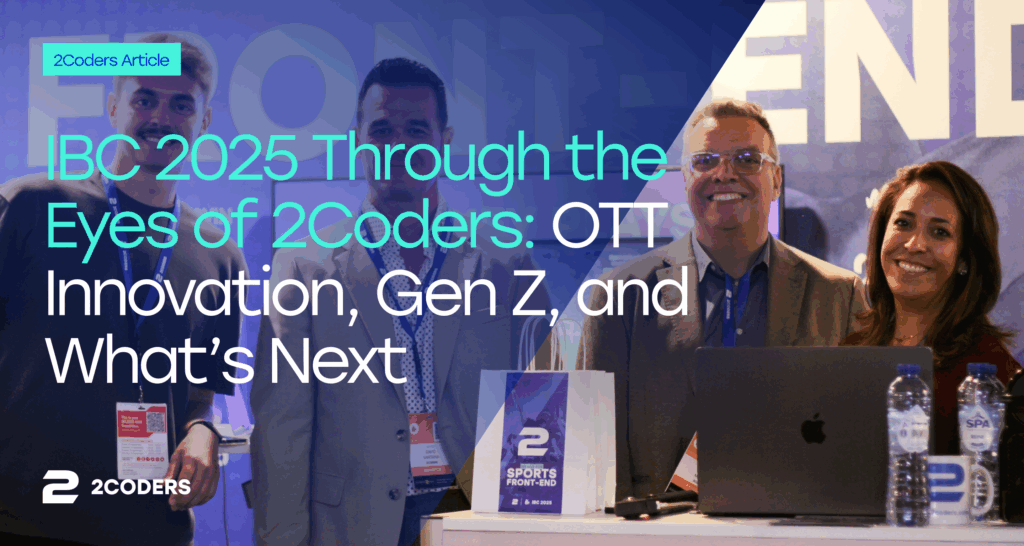
Amsterdam, 12-15 September 2025 — Another IBC wrapped up, and once again, the halls of the RAI were buzzing with conversations about the future of media and streaming. As the 2Coders team, we didn’t just attend — we came to share, learn, and connect. After four intense days of panels, booths, and conversations, here are our takeaways — what’s trending, what’s promising, and where 2Coders can lead. Big Themes We Heard Again & Again Immersive, Participatory Experiences Over Passive ViewingMultiple sessions emphasized that fans don’t just want to watch anymore — they want to be part of the experience. Real-time interactivity, alternate camera angles, VR/AR augmentations, and second-screen engagements are becoming baseline expectations. Personalization + ContinuityWith so much content, subscribers are fatigued. Platforms must deliver not just content, but the right content: tailored to preferences, viewing habits, and even mood. We also saw “always-on” content models (beyond flagship events) gaining traction — including blurbs, behind-the-scenes content, micro-episodes, and community content. AI & Automation as EnablersA strong current through IBC was: AI isn’t just hype. From automating workflows (localization, dubbing, subtitling), to deploying generative tools for personalization, to using data to drive interactivity, efficiency, and a better fan experience. Low Latency, Scalable Streaming InfrastructureFor live sports, especially, reducing lag, smooth delivery over varying network quality, and being scalable without breaking the bank were recurring concerns. New transport protocols, cloud-native pipelines, hybrid architecture, and smarter content delivery networks are in focus. Gen Z / Next Gen Audience is Not One-DimensionalGen Z doesn’t behave like older viewers. Some key observations: They expect interactive, snackable content: shorter formats, social-first content, maybe even UGC (user-generated content) or creator collaborations. Attention spans are fragmented: multitasking, switching between devices/screens, interacting (chat/social) while watching. Sustained loyalty is tied to constant value, not just event-based content. Authenticity and adaptability matter: what feels real, immediate, and “owned” by the community wins, be it through storytelling, behind-the-scenes, fan contribution, or just letting fans shape the experience New Monetization ModelsIt’s not enough to get eyeballs — platforms need to turn engagement into sustainable revenue. We saw experimentation with flexible subscriptions (pay-per-match, modular bundles), more creative ad formats, interactive commerce (merch, fandom tokens), and sponsorships embedded in immersive experiences. Also, rights fragmentation forces creative thinking around how and where content is distributed. Our Moment on Stage: “Designing for the Unreachable Fan” One of our proudest moments at IBC2025 was presenting Designing for the Unreachable Fan: A New OTT Sports Playbook on the Content Everywhere stage. We explored how younger, hyper-connected audiences — often disengaged by traditional broadcast and even standard OTT — demand more. They want choice, agency, and community. They want experiences that adapt to their preferences and let them engage in real time. Our session wasn’t just about theory; it reflected the way we build at 2Coders — with design and tech aimed squarely at the next generation of fans. At the Booth: Velvet & Our Innovation Lab While the talk sparked ideas, our booth (5.B10) brought them to life. Velvet, our SDK-based front-end framework: We showed how Velvet enables platforms to build dynamic, adaptable apps at speed — without vendor lock-in, and ready to scale as needs evolve. Our Innovation Lab prototypes: Alongside Velvet, we showcased prototypes from our own Innovation Lab — experimental concepts like the Adaptive Sports Universe and new ad experiences designed to make OTT more immersive, personal, and flexible. For many visitors, it was the first time seeing how these ideas could actually work in practice. The feedback was clear: innovation isn’t just welcome, it’s expected. 👉 See more about our Innovation Lab here What We Think 2Coders Should Focus On Going Forward From our vantage, here are priority areas for us (and companies like ours) to double down on: Priority Why It Matters What We Can Do Fully interactive OTT sports experiences To satisfy Gen Z’s expectations and differentiate our offerings. Build UX that allows multiple camera angles, fan polls, social overlays, in-play statistics, maybe even allow user camera control or “choose your commentary”. Snackable & hybrid content For retention + continuous engagement — content between events. Partner with content creators, produce behind-scenes, short highlight reels, explanation / “how it works” segments; ensure those are optimized for mobile / social. Smart personalization To reduce churn, improve satisfaction. Use analytics / ML to suggest content, tailor timelines, allow users to control length / style of recap; personalize UI and features based on preferences. Low latency & scalable infrastructure Streaming live sports demands tight latency; poor experience kills retention. Experiment with new transport protocols (e.g MoQ, QUIC-based streaming), cloud-native pipelines, edge computing. Ensure fallback strategies and robust handling for low bandwidth. Design for Gen Z’s mindset Gen Z is already influencing defaults; ignoring them is risky. In UX: faster load, minimal friction, social features integrated; in content: authenticity, community voice, user participation; in business: flexible pricing, perhaps ad-supported or hybrid tiers. Innovative monetization As rights get expensive & competition increases, revenue must come from multiple places. Explore interactive ads, sponsorship integrations inside immersive experiences, merch/fandom commerce, micro-transactions, loyalty programs. What Impressed Us / What We Think Are Early Signals Multi-language / localization as standard: Several vendors showed tools for real-time dubbing and subtitling. Not “add-on”, but baked in. That’s important to reach a global audience, especially younger fans, who are comfortable with consuming non-native content with translations. “Content everywhere” meaning deeper than devices: It’s not just about being on mobile, tablet, big screen — it’s about delivering content in formats that suit different user contexts: social media snippets, interactive stories, live vs VOD vs highlights. The sessions on “How knowing who your customers are and where they are is reinventing the media landscape” stood out. Emerging standards and protocols: Media over QUIC (MoQ), new codecs or transport layers, low-latency pipelines are more than lab experiments; they’re showing up in vendor demos and conversations. If we don’t plan for them, we risk being left behind. Viewer fatigue & platform consolidation: Everyone is talking about subscription overload, viewer
Top Tips for Attending IBC 2025: Pro Advice From Seasoned Visitors & Exhibitors
Planning to attend IBC 2025 in Amsterdam? Whether you’re a first-timer eager to explore or a returning attendee ready to make the most of the show, having a few insider tips can turn a busy week into a smooth and inspiring experience. As long-time IBC visitors and exhibitors, our team has learned the ropes—sometimes the hard way—so we’re sharing our best advice to help you get the most out of the world’s leading broadcast, media, and entertainment technology event. 1. Get Ahead: Register Early & Download the IBC App It sounds obvious, but early registration saves you time and stress—plus, you can secure your free travel pass for trams and metro during the show. The official IBC App is your pocket guide for everything: hall maps, session schedules, and quick exhibitor searches (handy when you’re trying to find that booth you heard about over coffee). 2. Plan Your Route—Your Feet Will Thank You With multiple halls, each dedicated to different areas of media tech—from OTT streaming to AI solutions—the layout can feel like a maze. Plan your day by location to avoid sprinting across the RAI. Think of it as a fitness plan you don’t want. 3. Pack the Essentials (and a Few Comfort Items) Comfortable shoes are non-negotiable—break them in before you arrive. Add a refillable water bottle, light snacks (protein bars are a lifesaver), and lip balm to your daily kit. The air-con can be unpredictable, so layers are your friend. 4. Leave Room for Serendipity While a plan keeps you focused, the magic of IBC often happens between meetings—like discovering a hidden innovation stand or running into a potential partner while grabbing a drink at The Beach. Leave some open space in your schedule for the unexpected. 5. Insider Tips From Our Team We’ve collected real, practical advice from our own IBC experiences—spanning everything from smart footwear choices to navigating the halls like a pro: Romy Suarez, Global Sales & Alliances Manager: “Never underestimate the power of two pairs of shoes. Swap daily to give your feet a break—it’s the difference between ending Day 4 standing tall or hobbling like you’ve done a marathon.” Dailos Medina, Co-founder: “Plan your meetings in hall clusters. Back-to-back meetings in opposite corners of the RAI will turn you into an accidental sprinter—and not the fun kind.” David Santana, Co-founder: “The Beach isn’t just for drinks—it’s one of the best informal networking spots. Some of our best leads started over a quick drink there.” Marija Nikolova, Marketing Lead: “Always have a small ‘emergency kit’—power bank, mints, painkillers, and a pen. You’ll thank yourself when you’re halfway through a 10-hour day.” 6. Networking Is Everywhere IBC is as much about conversations as it is about technology. Industry leaders, innovators, and newcomers are everywhere—from conference stages to coffee queues. Don’t be shy; a quick chat could lead to your next collaboration. Pro tip: keep LinkedIn handy for quick connects. 7. Visit Us at IBC 2025 We’ll be there too, showcasing our latest solutions at Booth 5.B10. If you’re curious about how we’re shaping the future of streaming app experiences, come by and say hello. Want a guaranteed time with our team? Book a meeting with us here 8. Enjoy Amsterdam (But Pace Yourself) Amsterdam during IBC is buzzing—canal strolls, lively evenings, and late-night networking. But remember: IBC is a marathon, not a sprint. If you get the chance for an early night, take it. Your future self will thank you. Final Word IBC is a week where ideas, innovations, and connections all come together under one roof. With a little preparation—and a few insider hacks—you can focus less on logistics and more on the inspiration that makes this event special. See you in Amsterdam! 🇳🇱
Bring Better Video to WordPress: The Updated Mux Video Uploader by 2Coders
Say hello to an even better video experience on WordPress We’ve updated the Mux Video Uploader plugin to make it easier than ever to upload, stream, and manage videos on your WordPress site. Whether you’re a developer building sites for clients or a content creator running your own platform, this plugin is designed to help you work with video without the extra hassle. Built by 2Coders in collaboration with Mux, the latest version introduces features like auto-generated captions in 22 languages, MP4 export options for offline use, and more control over video quality. You can preview videos instantly, customize the player to match your site, and manage everything from your WordPress dashboard — no switching tabs or tools. Let’s walk through what’s new and how to get the most out of the plugin. Why We Built This Plugin Video is one of the most powerful ways to share content online, but WordPress hasn’t always made that easy. Uploading large files, optimizing playback, managing captions, or simply getting analytics? Not built-in. That’s where Mux comes in — and that’s why we teamed up to build this plugin. Our goal? To help you add professional-grade video to your WordPress site in minutes, not hours. No complex setups. No extra code needed. Just drag, drop, and deliver great video. What’s New in This Release? This latest version of the plugin brings three highly requested features, all designed to give you more control, accessibility, and flexibility when working with video content. 1. Auto-Generated Captions in 22 Languages in This Release? Now you can automatically generate captions for your on-demand videos, making your content more inclusive and searchable. Captions are available in 22 languages and can be edited right inside the WordPress editor, giving you full control over how they appear. The transcript will be produced based on the language spoken in the video. Whether you’re trying to meet accessibility standards or improve viewer engagement, this feature has you covered. 2. MP4 Download Options You can now create downloadable MP4 versions of your videos with a click. This is ideal if you want to: It’s flexibility at your fingertips — all handled through the plugin. 3. Quality Selection Controls Optimize performance or boost quality — the choice is yours. This feature lets you choose how each video is delivered based on your audience’s needs or your site’s bandwidth limitations. What You Can Already Do (And Why It Matters) This update builds on a powerful foundation. The Mux Video Uploader by 2Coders already includes: It’s everything you need for a smooth video workflow — no extra plugins or tools required. Designed for WordPress Creators and Developers This plugin is built to feel native to WordPress. If you’re a developer, you’ll appreciate the seamless integration with Mux’s APIs and developer-friendly customization. If you’re a content creator or editor, you’ll love how easy it is to upload, manage, and embed videos without having to leave the dashboard or depend on others. From editorial teams to online educators to creative agencies — this tool gives you everything you need to create, publish, and scale with video. Quick Start Guide: Get Set Up in Minutes You don’t need to be a tech expert to get started. Here’s how to get the Mux plugin running on your WordPress site: For more advanced options, you can check out the full documentation here. Built in Collaboration with Mux We built this plugin in close partnership with the team at Mux — experts in video infrastructure and developer experience. Together, we’re committed to helping creators, publishers, and developers take video further with tools that just work. This latest update is a reflection of that ongoing partnership — and of your feedback. We’ve listened closely to what matters most to you, and we’ll continue improving based on your needs. Try the New Features Today Whether you’re launching a new video series, running an online course, or just want better playback and analytics, this plugin can help you do it all without leaving WordPress. Download the plugin now and give it a try. We’d love to hear what you think and how you’re using it.
CASE STUDY: Our Successful Integration of Easelive’s Overlays
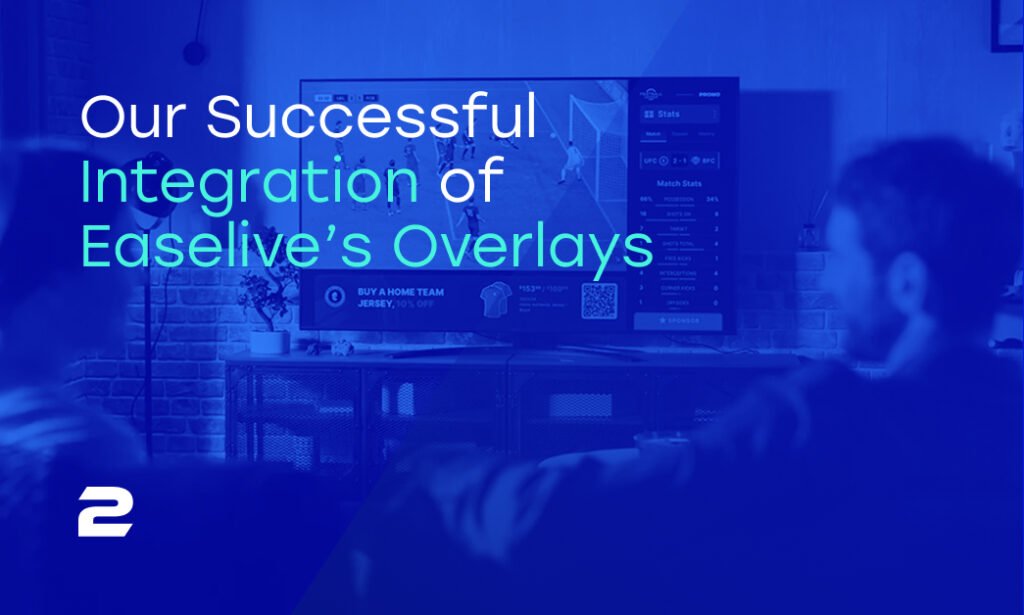
CASE STUDY: Our Successful Integration of Easelive’s Overlays When live overlays don’t sync, viewers notice. Engagement drops. And ads interrupt the flow. We solved these challenges and boosted engagement by 50%. Want to know how we did it? Get the full breakdown (limited-time access!) Get the Case Study for free Enter your email below, and we’ll send the full case study straight to your inbox.
Android 16 for Streaming Apps: Key Updates & What Developers Must Know

If you’re building an Android app—especially for streaming and OTT (Over-the-Top) services—you probably keep an eye on Android updates. Each new version brings opportunities to improve user experience but also introduces challenges that developers must navigate. Android 16 is no exception. With a push toward adaptive layouts, system-wide UI changes, and performance improvements, it’s clear that Google is preparing for a more seamless, device-agnostic future. If you’re wondering what this means for your app (and how to avoid unnecessary headaches), you’re in the right place. Why Android 16 Matters for Streaming Apps Streaming apps are unique. Unlike standard applications, they need to handle complex UI interactions, video playback, adaptive layouts, and performance optimization across various devices—from smartphones to tablets to TVs. With Android 16, Google is enforcing more consistent user experiences across all screens, meaning: Let’s break down the key changes and how they impact your development process. 1. Edge-to-Edge Opt-Out is Gone In Android 15, apps had the option to opt out of full edge-to-edge rendering. Android 16 removes this option, meaning all apps must support immersive layouts that extend content to the entire screen. What This Means for Your Streaming App What to Do Next 2. Predictive Back Navigation is Now Default Android 16 introduces predictive back navigation—meaning users see a preview of the previous screen before completing the back action. This change is intended to improve navigation flow, but it also means that onBackPressed() no longer works the way it used to. Why This is Important for Streaming Apps How to Fix It 3. Adaptive Layouts Are the Future Android 16 is pushing developers toward responsive, adaptable UIs that work across phones, tablets, foldables, and even desktop modes. If your app assumes a fixed orientation or aspect ratio, it’s time to rethink your design. What This Means for Streaming Apps How to Adapt 4. Performance Changes Affect Background Tasks Android 16 includes optimized background task scheduling to improve battery life and performance. This means apps can no longer rely on scheduleAtFixedRate() to run catch-up tasks when returning from the background. What This Means for Streaming Apps What to Do Next Wrapping It Up: Future-Proofing Your Streaming App Android 16 is all about consistency, adaptability, and performance—which, let’s be honest, is great for users but means extra work for developers. If you’re building (or updating) a streaming app, now’s the time to: And if this all sounds like a lot—don’t worry, we’ve got you! At 2Coders, we specialize in building future-proof OTT and streaming apps that run smoothly on Android. Whether you need help with UI adaptation, performance tuning, or full-scale app development, let’s chat.👉 Schedule a call with us (we promise to make it fun—like a well-buffered stream on a strong WiFi connection).