2Coders Studio

Native iOS & Android App Development

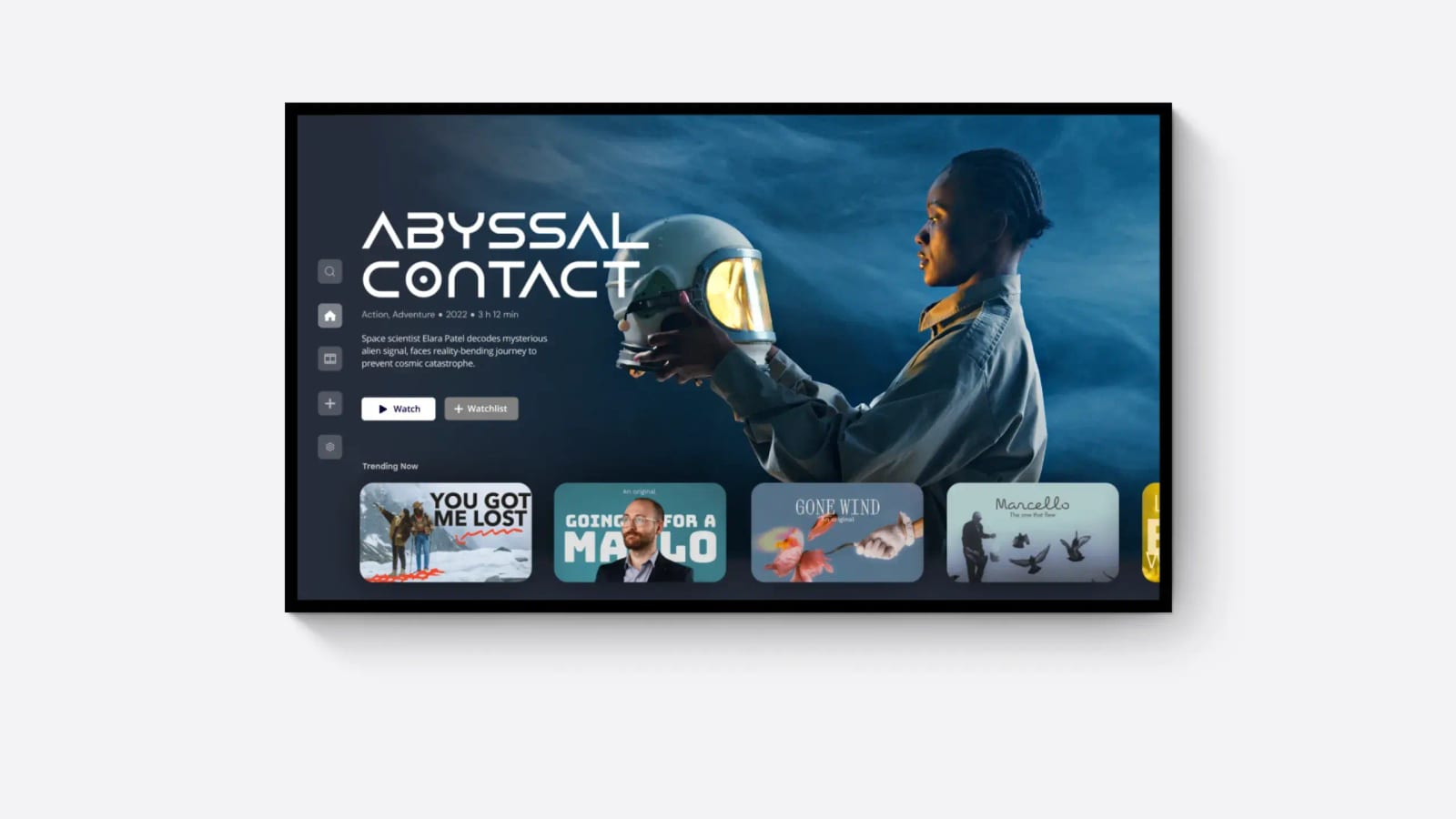
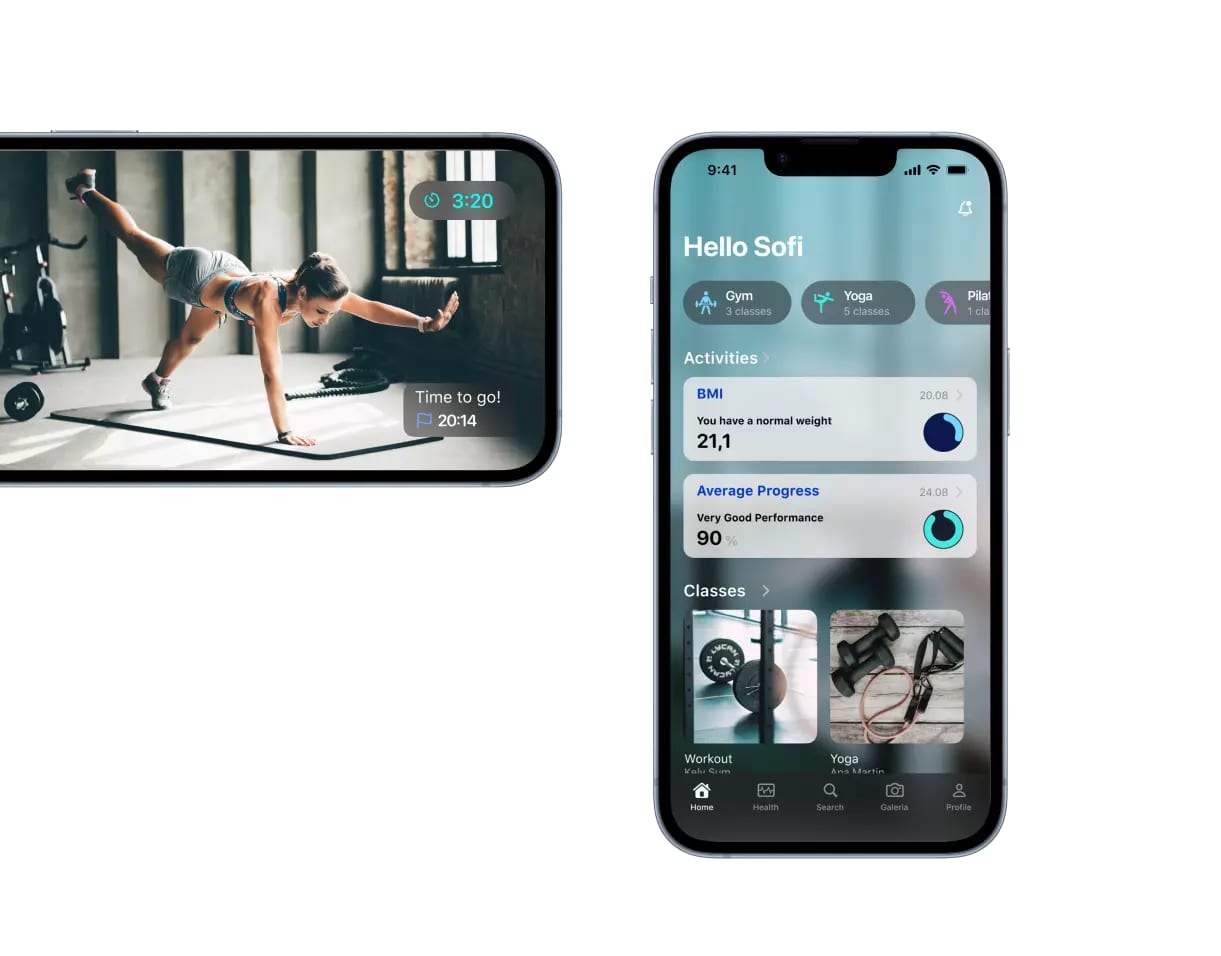
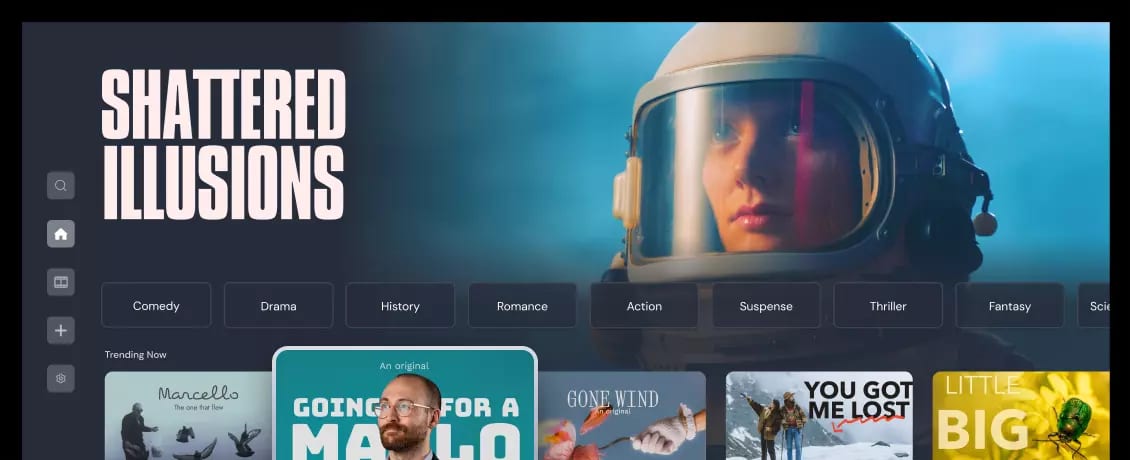
2Coders builds native iOS and Android applications for streaming platforms, broadcasters, and sports organisations. Swift and Kotlin, engineered for live delivery, real-time data, and content protection at scale.

Why Streaming and Sports Demand Native Development

Cross-platform frameworks are a legitimate choice for many application categories. Streaming and live sports are not among them.

Adaptive bitrate management, DRM licence handling, hardware decoder access, real-time data rendering, and background playback continuity are platform-level operations. Abstracting them through React Native or Flutter introduces failure modes that only surface under real-world conditions: inconsistent playback on mid-range hardware, latency spikes in live score updates, DRM errors on device configurations nobody tested because the simulator didn’t flag them.

We’ve watched organisations spend six months on a cross-platform build, launch it, then rewrite the video pipeline and match centre modules in native anyway. The total cost exceeded what a native build would have required from day one.

Native iOS App Development : Swift

We build iOS streaming and sports applications to the full platform specification.

  • For streaming: FairPlay DRM, AirPlay, Picture-in-Picture, SharePlay, background audio, and offline playback with correct licence management.
  • For sports: real-time data integration, live match interfaces, and performance under the traffic conditions that live events generate.

Applications are validated across the supported device range and prepared for first-time App Store review passage.

Native Android App Development : Kotlin

Android’s device and OS fragmentation is the defining engineering challenge of the platform.

We build and test across the real-world distribution of hardware your users carry. That means accounting for Widevine security level variance, hardware decoder differences that affect playback quality on mid-range devices, and rendering inconsistencies that only surface outside a controlled test environment. For sports applications, this includes real-time data performance across the full device range, not just flagship hardware.

Android also carries integration complexity that iOS doesn’t. Chromecast implementation, Android Auto for audio-first experiences, Widevine L1/L3 handling across OEM-specific configurations. We’ve navigated these across enough projects that we know where the documentation stops and the device-specific workarounds begin.

Streaming App Development

Playback architecture decisions made at project inception determine whether an application performs under pressure twelve months later.

Buffer management strategy, CDN failover behaviour, DRM licence caching, adaptive bitrate tuning are foundations. We build streaming applications for broadcasters, rights holders, and OTT platforms, live delivery and VOD, with the infrastructure load-tested for peak concurrent viewership.

Sports App Development

Sports applications impose requirements that standard mobile development does not prepare teams for. Real-time data at volume, live match state management across multiple concurrent fixtures, concurrent user spikes tied to fixture schedules, and zero downtime during live events. We have built for these conditions across sports organisations and rights holders operating at the highest level of the industry.

The organisations that come to us have usually tried the generalist agency route already. The developers were competent, but they’d never built a match centre, never handled a data feed that updates every second for 90 minutes across 10 simultaneous fixtures, never experienced the traffic pattern where 300,000 users arrive in the same 60-second window. That learning curve consumed budget and confidence.

Application Architecture for Streaming and Sports

The difference between an application that performs under pressure and one that does not is almost always an architecture decision made early, not a performance optimisation made late. We establish the technical foundation before a line of production code is written. Data layer design, state management strategy, video pipeline architecture, caching behaviour, and network resilience patterns. These decisions determine product quality at scale. Revisiting them after launch is expensive. Getting them right at the start is not.

Performance and Quality Assurance

An application that performs correctly on a current flagship and inconsistently on the hardware your actual user base carries is not a finished product. We run QA across real devices, covering the range of hardware, OS versions, network conditions, and edge cases that production traffic generates. For live sports and streaming, that includes load testing against peak concurrent user scenarios, latency validation for real-time data feeds, and DRM verification across Widevine security levels.

We also test the moments most QA processes skip: network handoff from Wi-Fi to cellular mid-stream. App backgrounding and foregrounding during a live broadcast. Lock screen behaviour with background audio active. Picture-in-Picture transitions. The bugs that surface in these scenarios are the ones that generate 1-star reviews.

The Cost of an Underperforming Build

App Store ratings are permanent. A 2.8-star average from a botched launch follows the product for years, regardless of how much you improve it afterwards.

Subscriber churn driven by poor playback experience is hard to measure and harder to reverse. A failed live event affects relationships with rights holders and end users simultaneously. The organisations that engage us after a failed build consistently report that the cost of the original project plus remediation exceeds what a properly scoped native build would have required from the start.

Capabilities

  • Live Streaming : Low-latency delivery architecture for live sport and broadcast. Load-tested for peak concurrency.
  • Real-Time Data : Live scores, match statistics, and event feeds rendered without perceptible latency.
  • Offline Downloads : DRM-protected, licence-managed content available without network dependency.
  • Deep Linking : Direct navigation to content or match context from any external surface.
  • AirPlay & Chromecast : Platform-native second-screen implementation.
  • Push Notifications : Event-driven re-engagement integrated with your CRM and subscriber infrastructure.
  • Background Playback : Audio continuity when the screen locks, correctly implemented for live radio, podcasts, and background listening.
  • Accessibility : VoiceOver, TalkBack, dynamic type, and contrast compliance built to platform standards from the outset.

Integrations We Work With

  • Video Playback : Bitmovin, THEOplayer, Mux
  • DRM : Widevine, FairPlay, BuyDRM
  • Analytics : NPAW, Conviva, Mux Data
  • CDN : AWS CloudFront, Microsoft Azure
  • Payments & Subscription Management : Evergent, Stripe
  • Sports Data : IMG Arena, Opta, Stats Perform
  • Push & CRM : Airship, Firebase

How We Work

We don’t operate as a separate agency that disappears between milestone reviews. Our developers embed directly into your product team, working alongside your engineers with 2Coders technical leads providing architecture oversight and quality accountability.

Every project begins with a scoping phase in which we establish platform requirements, integration dependencies, performance targets, and certification constraints before a line of code is written. Development runs in two-week sprints with clear deliverables. QA runs throughout the development cycle, not consolidated at the end. Post-launch, we remain available for performance monitoring, OS update compatibility, and ongoing feature development.

Privacy Overview

This website uses cookies so that we can provide you with the best user experience possible. Cookie information is stored in your browser and performs functions such as recognising you when you return to our website and helping our team to understand which sections of the website you find most interesting and useful.